- Wellnesscd
- Posts
- The Fat-First Metabolism Protocol
The Fat-First Metabolism Protocol
Using oxygen efficiency, beetroot nitrates, and mitochondrial support to shift fuel use from carbs to fat

Lifewith chad
January 22, 2026
How beetroot helps your body burn more fat instead of carbs
Most fat-loss strategies focus on forcing fat loss with stimulants, extreme calorie cuts, or appetite suppression.
This protocol does the opposite.
It helps your body choose fat as fuel naturally—by improving oxygen use, mitochondrial efficiency, and metabolic flexibility.
That’s the backdoor.
Why Fuel Choice Matters (Fat vs Carbs)
Your body runs on two main fuels:
Carbs → fast, inefficient, limited storage
Fat → slower, highly efficient, massive storage
When oxygen delivery or mitochondrial function is poor, your body defaults to carb burning. This leads to:
Early fatigue
Higher perceived effort
Stalled fat loss
The goal is not to eliminate carbs—but to delay how quickly your body needs them.
That’s metabolic flexibility.
How Beetroot Shifts Fuel Use Toward Fat
1. Nitric Oxide = Better Oxygen Efficiency
Beetroot is rich in dietary nitrates, which convert into nitric oxide (NO).
Nitric oxide:
Expands blood vessels
Improves oxygen delivery to muscles
Lowers the oxygen cost of movement
When oxygen efficiency improves, your body relies less on fast glycolysis (carbs) and can sustain activity using mitochondrial fat oxidation longer.
2. Beetroot Lowers Respiratory Quotient (RQ)
Respiratory quotient is a marker of fuel use:
Higher RQ → more carb burning
Lower RQ → more fat burning
Improved oxygen delivery and mitochondrial efficiency lower RQ, meaning fat contributes more to total energy output, especially during steady-state movement.
Beetroot doesn’t shut off carbs—it keeps fat in the fuel mix longer.
3. Beetroot Works Best in Low-Stress, Aerobic States
Fat burning happens when:
Oxygen availability is high
Insulin is low
Stress hormones are controlled
That’s why beetroot shines during:
Zone 2 cardio
Walking, cycling, incline treadmill
Fasted or low-insulin training
This is where the shift from carbs → fat actually occurs.
The Full Protocol: Step by Step
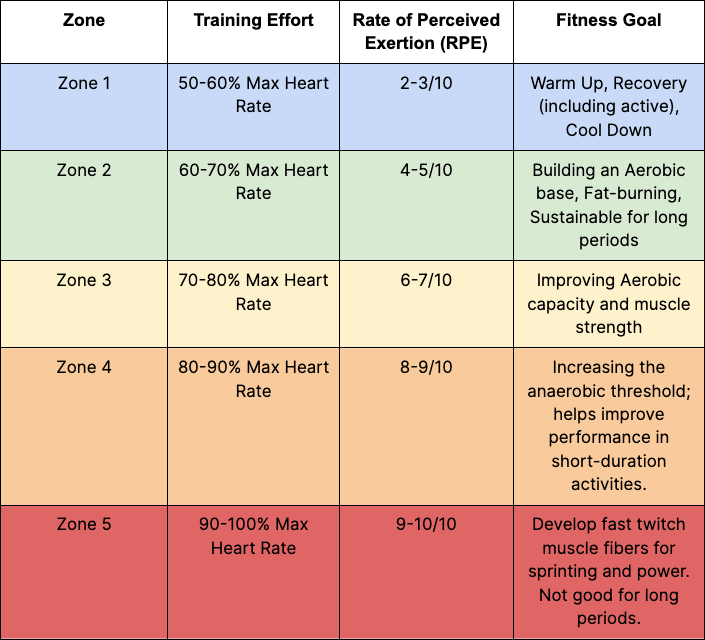
Step 1: Zone 2 Training (Creates the Demand)
60–70% of max heart rate
You can talk, not sing
30–45 minutes
4–6 days per week
Zone 2 tells the body:
👉 “We need long-lasting fuel.”
That fuel is fat.
Step 2: Beetroot (Improves Delivery & Fuel Selection)
Timing
30–60 minutes before Zone 2
What It Does
Improves blood flow
Enhances oxygen efficiency
Reduces early carb dependency
This allows you to stay aerobic longer, keeping fat oxidation high instead of flipping to carbs too soon.
Step 3: MitoCore (Upgrades the Engine)
Beetroot improves delivery—but delivery only matters if the engine works.
MitoCore supports:
Mitochondrial fat oxidation
Metabolic signaling pathways
Efficient fuel switching
Think:
Beetroot = oxygen & blood flow
MitoCore = what the cell does with it
Together, they determine which fuel actually gets burned.
Why This Leads to “Backdoor” Fat Loss
This stack doesn’t chase fat loss directly.
Instead it:
Improves endurance
Lowers reliance on carbs
Extends fat-burning states
Increases total energy output without stress
Over time, fat loss happens as a byproduct of efficiency, not force.
Who This Protocol Is Best For
People stuck burning carbs too fast
Anyone doing Zone 2, walking, cycling, or incline treadmill
Those avoiding stimulants
Individuals focused on sustainable fat loss
The Takeaway
Beetroot doesn’t magically burn fat.
It removes the barriers that keep your body stuck burning carbs.
Zone 2 creates demand.
Beetroot improves delivery.
MitoCore upgrades the engine.
That’s how you shift fuel use—and why fat loss follows.
👉 Support the engine. Start with MitoCore.
Plus On Sale for $25.99!!